The Place
Inside the Alba Iulia citadel, protected by impressive fortress walls laden with centuries of history, RYMA is the mystical-yet-mundane place where the rituals of DBE are being performed since 2011.
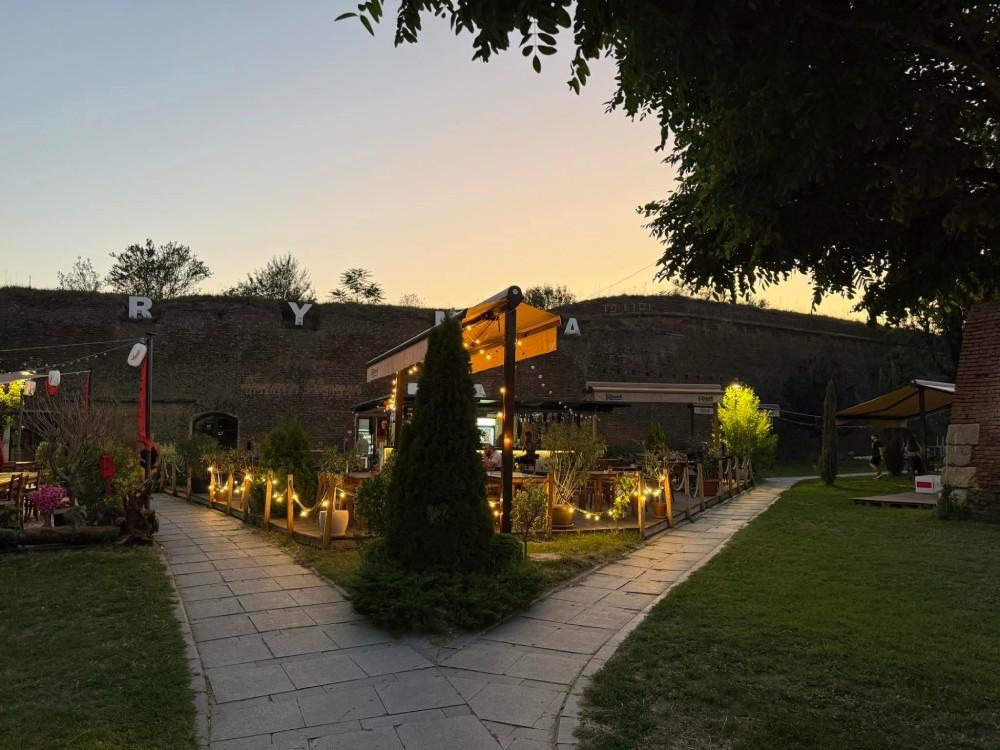
RYMA is located at the 7th gate of the citadel and, in addition to the stage and the concert area, it also includes a campground (which can accommodate around 60 tents) and a gallery where young artists expose their artworks, during the festival as well. Two bars, a small food-court with a relaxing area and a comfy terrace where the after-party takes place every night complete the venue to offer the perfect, immersive (small-scale) festival experience.
The Citadel
Alba Iulia (or Alba Carolina) citadel itself is an architectural and historic gem, worth visiting on your way to the festival. Its history spans over 2,000 years, beginning in the Roman era when Alba Iulia was known as Apulum, a major Roman military and administrative centre. Parts of the Roman castrum (the legionary fortress) can still be seen today inside the citadel.
Between 1715 and 1738, during the Habsburg period, one of the largest Vauban-style (star-shaped) fortresses in Eastern Europe takes the place of the former medieval political and religious centre. The impressive 140 hectares citadel had three fortified layers, six gates, numerous bastions, its own sewage system, food deposits, wells and all the necessary to maintain a garrison of up to 10,000 soldiers.
And, on December the 1st 1918, the citadel of Alba Iulia lived probably its greatest moment during the long-awaited unification of Transylvania with the Kingdom of Romania.
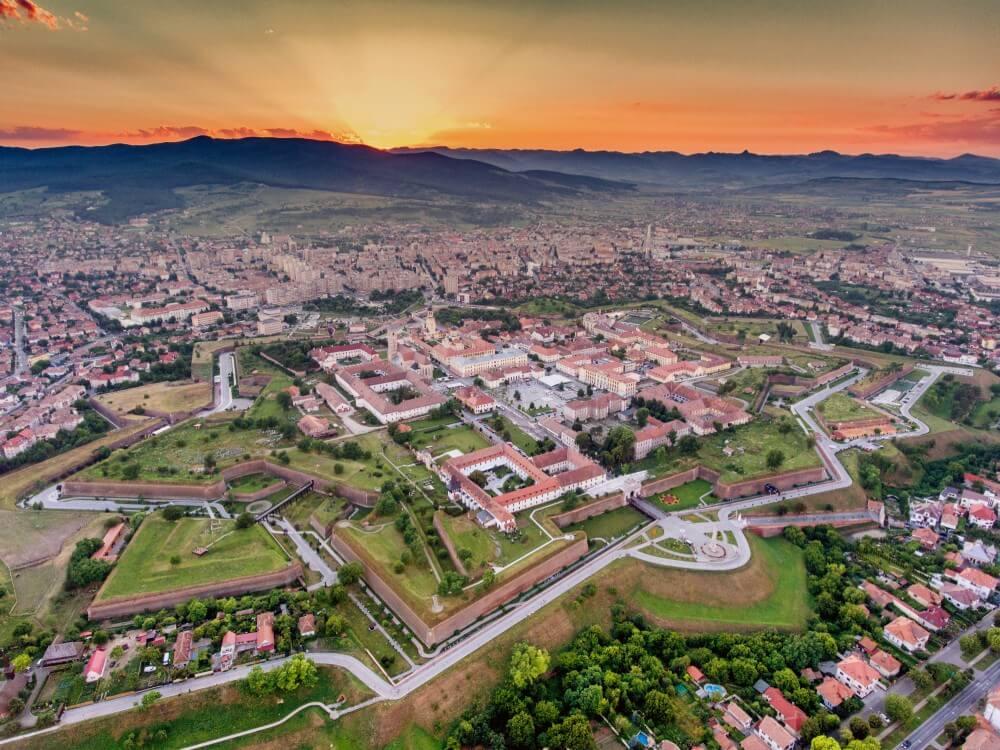
Take advantage every day of the hours before the concerts start to explore the citadel, the city and its surroundings. You can walk the “Three Fortifications Route” — a walking tour covering the Roman, medieval and Vauban fortresses, all in one itinerary. The tour usually lasts 2–3 hours and includes access to underground passages and panoramic points (turism.apulum.ro).
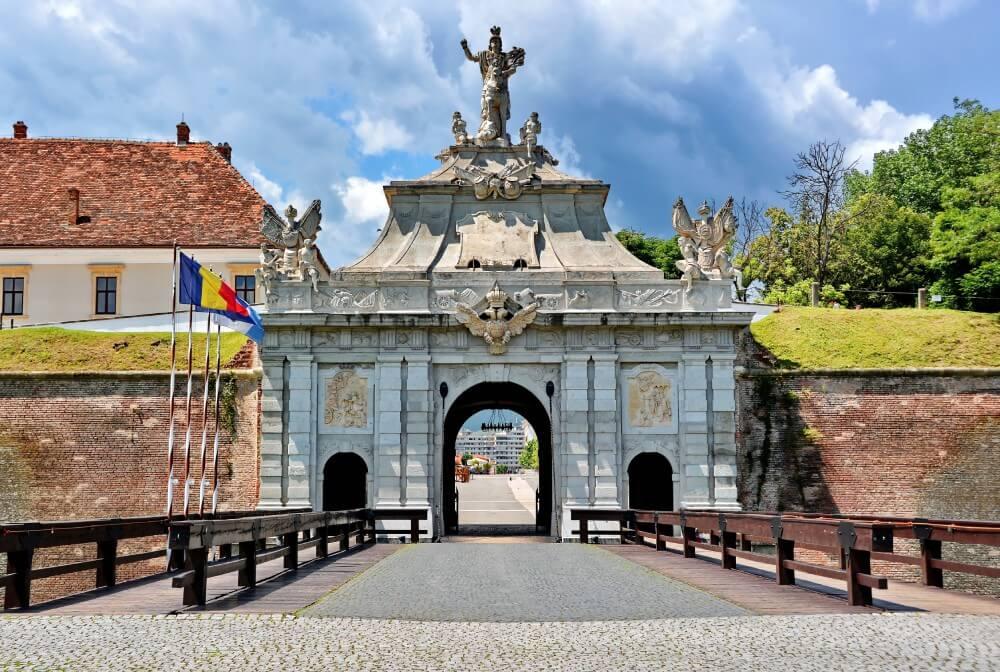
Walk through the seven monumental gates. Gate III is the main baroque entrance, with impressive sculptures of St. Michael and the Habsburg coat of arms, while Gate IV opens towards the Roman Castrum ruins. Admire the Cathedral of Saint Michael – the oldest and most valuable medieval cathedral in Transylvania (built in the 11th–13th centuries) – and the Coronation (Reunification) Cathedral, in its Neo-Byzantine Romanian style, symbolizing the Great Union. And wander across the citadel Promenade with its charming pedestrian alleys, cafés, restaurants and terraces right inside the fortress walls.
Something not to be missed: the changing of the guard, which takes place at 12:00 PM (noon) at Gate III. During the 15-20 minutes ceremony, soldiers dressed in 18th-century Austrian uniforms, flag bearers and mounted guards on horses will perform the guard exchange with military precision. And sometimes even with a cannon salute or a short drill demonstration (a more extended version runs on weekends, during tourist season from April to October).
Around Alba Iulia
Apart from being a living museum of history, Alba Iulia is also a charmingly peaceful city located in Alba County, Transylvania, and surrounded by the gentle hills of the Apuseni Mountains. And, after having immersed into and discovered the impressive history and magnificent architecture of its citadel, you can as well enjoy a relaxed walk in nature right on the outskirts of the city, in the Dendrologic Park (turism.apulum.ro). It will definitely help you charge yourself with energy and oxygen for a full festival day.
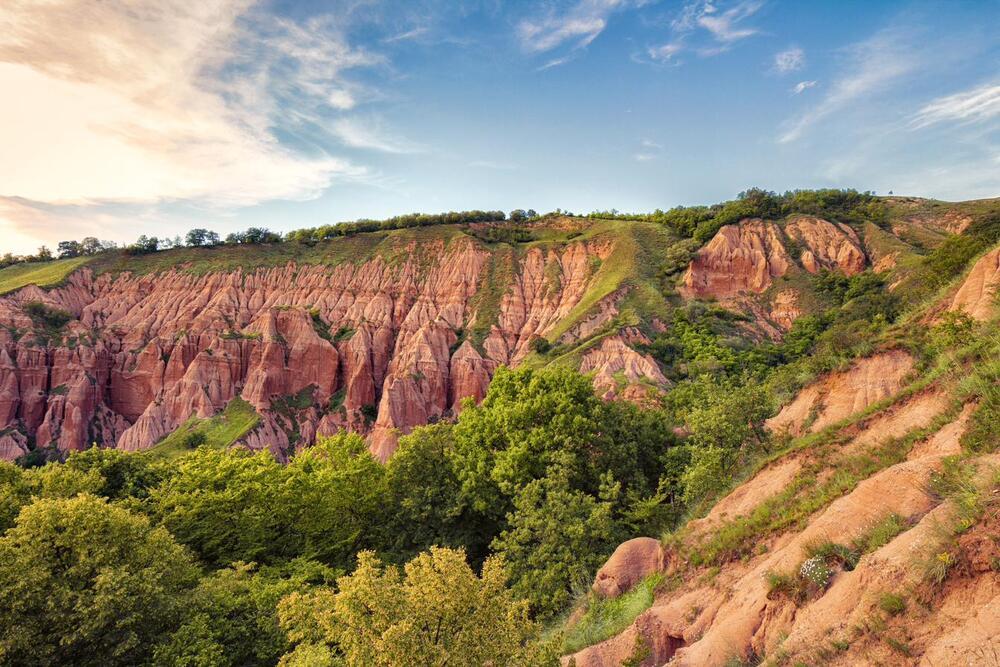
15.5 km from Alba Iulia
Râpa Roșie Natural Reserve
If you are in the mood for something more hiking-like, go to Râpa Roșie natural reserve (literally “the red ravine”), located near the town of Sebeș. Also called Romania's “Grand Canyon”, it presents a dramatically eroded clay relief with immense visual impact.
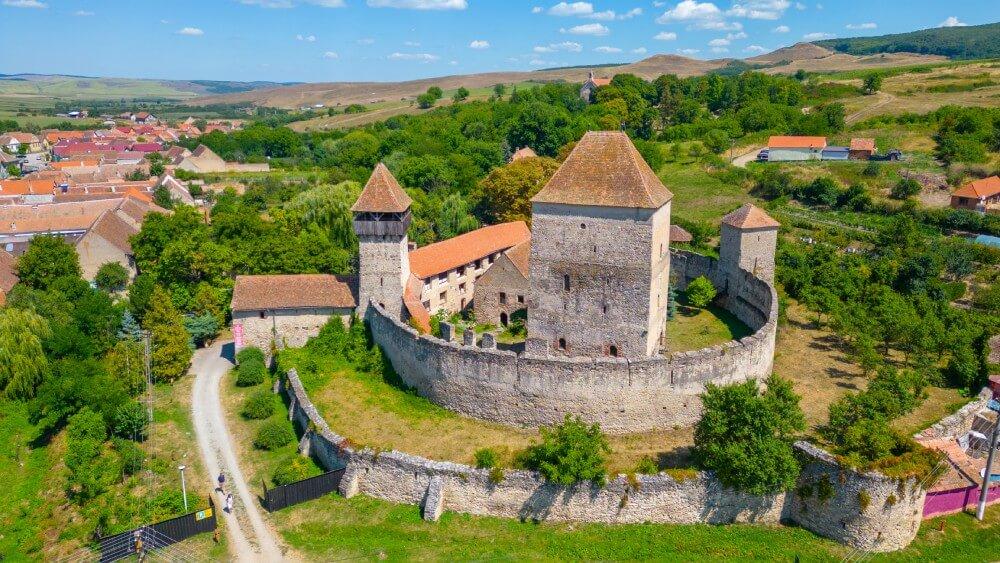
30 km from Alba Iulia
Câlnic Fortress
A UNESCO World Heritage site exceptionally well preserved and surrounded by a beautiful Saxon village. You'll need 1-2 hours to visit the fortress.
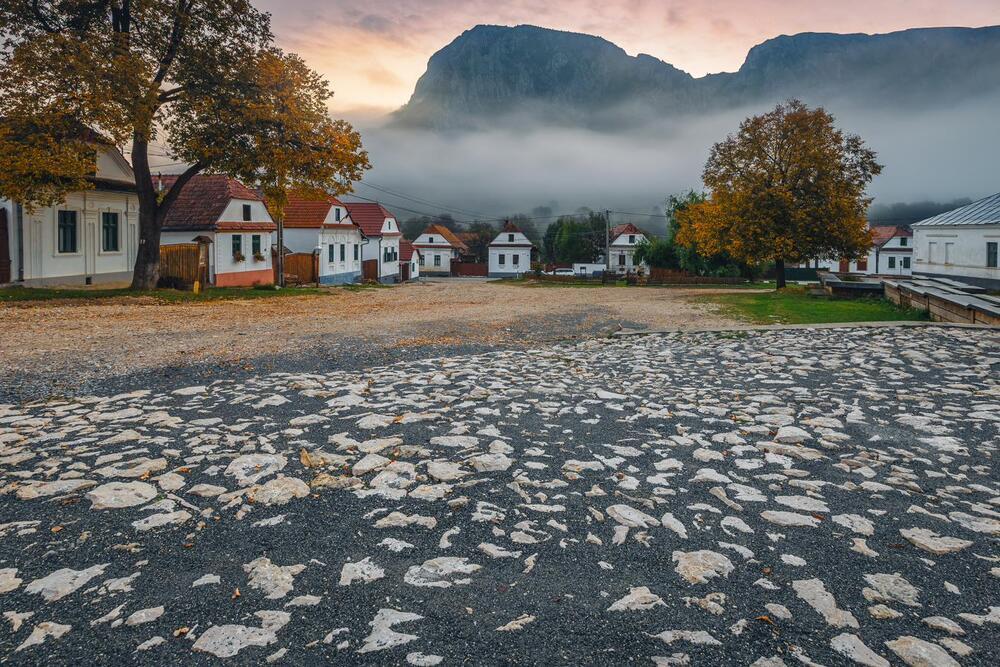
55 km from Alba Iulia
Village of Rimetea
Famous for its white-washed houses with green shutters and red tile roofs, some dating back from the 17th century. What's amazing about Rimetea is the fact that you are not visiting a “theme-park” but a real village where people still live and preserve their identity while the local crafts and traditions continue. Make time to visit the Ethnographic Museum located in the heart of the village.
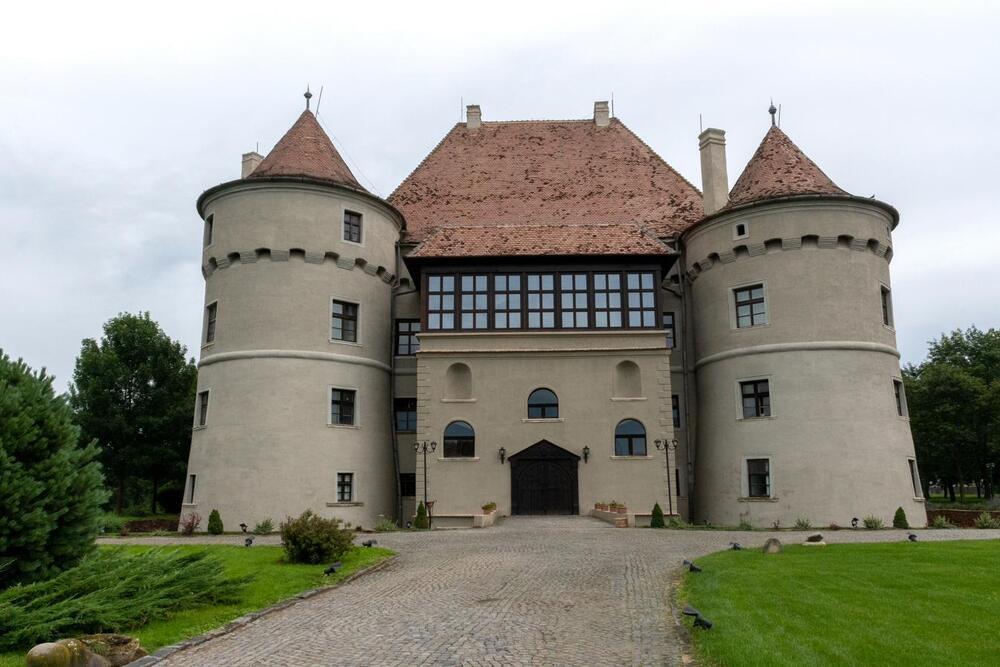
59 km from Alba Iulia
Jidvei Winery
One of the biggest vineyard estates in Romania and in Europe. The many national and international awards received by its wines celebrate Jidvei's long tradition and stand for the quality of the labels produced here. Visit the vineyard and cellars (the advice is to book in advance) and the beautiful Bethlen-Haller Castle or join a wine tasting. Just don't let the wine make you forget there are concerts waiting for you at DBE in the evening.